
Spain's Reservoirs: From Drought to Plenty
Following successive periods of heavy rainfall, Spain's reservoirs have undergone one of the most dramatic recoveries in living memory. Across much of the country, water reserves have returned to levels that would have seemed wildly optimistic only a few years ago, easing concerns for agriculture, hydroelectric generation and domestic water supplies.
For several years, images of cracked reservoir beds became symbolic of Spain's battle with lower than usual rainfall. At one stage Cataluña even considered importing water by ship.
Today, the picture is remarkably different.
Following successive periods of heavy rainfall, Spain's reservoirs have undergone one of the most dramatic recoveries in living memory. Across much of the country, water reserves have returned to levels that would have seemed wildly optimistic only a few years ago, easing concerns for agriculture, hydroelectric generation and domestic water supplies.
The transformation, which started in April 2024 when reservoir levels exceeded the ten year average for the first time in several years, has been particularly striking because of where Spain started. During the prolonged drought, reservoir levels fell to some of the lowest recorded in modern times, reflecting a wider European pattern of extreme weather and declining water storage. Satellite analysis showed that Spain, alongside France, Germany, Portugal and the United Kingdom, experienced historically low reservoir conditions during the drought years.
The recovery has been driven by a succession of Atlantic weather systems delivering substantial rainfall across much of the Iberian Peninsula. Reservoirs that once dominated the news for the wrong reasons have filled rapidly, and many river basins are now operating at or close to maximum levels.
For home buyers, investors and those considering a move to Spain, this is an important development. Water security has become an increasingly significant factor in long-term property decisions, particularly in rural areas where agriculture remains a major part of the local economy. Higher reservoir levels reduce the likelihood of severe restrictions and provide reassurance for communities that depend on reliable water supplies.
Andalucía: A Region Transformed
No part of Spain has attracted more attention than Andalucía.
Only a few short years ago, the region faced some of the toughest water restrictions in the country. Reservoirs reached critically low levels. The Costa del Sol and many inland communities introduced conservation measures, while farmers worried about the future of water-dependent crops.
The recent change has been dramatic.
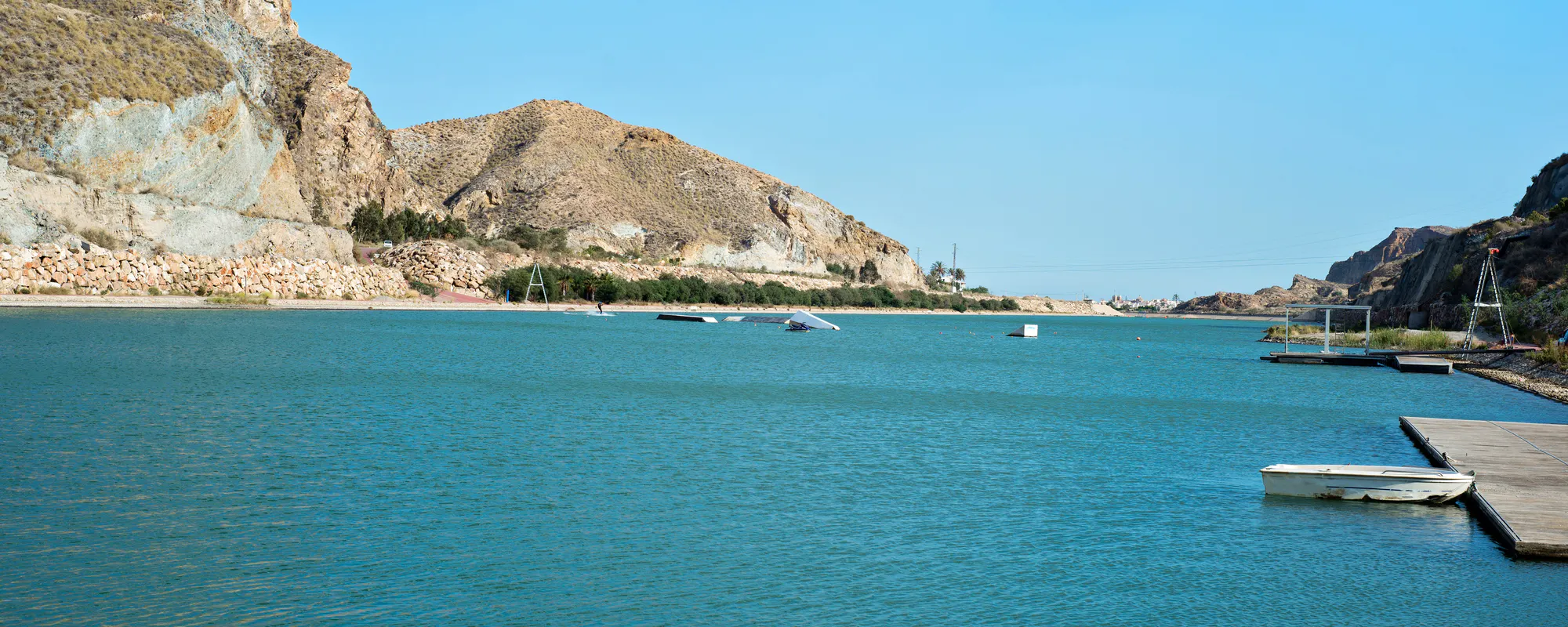
Reservoirs throughout Andalucía have benefited from abundant rainfall, and many of the major systems have recovered to levels that have substantially eased immediate concerns. The images available from embalses.net illustrate this transformation better than any statistics: landscapes that once resembled dry valleys have become expansive lakes once again.

Across the region, even after an intensely hot month of June, reservoirs remain at very high levels. Compared to the average of the last ten years Andalucía has over 70% more water. Paradoxically, Andalucía's reservoirs, so long the concern for water shortage, currently run at higher average levels than that of Spain as a whole: 82% compared to 78%.

If we examine the situation by province, we see that the figures are even more significant if we exclude the semi-desert province of Almería.

The current situation provides a welcome reminder that Spain's water system is highly resilient when favourable weather patterns return.
How Spain Compares with the Rest of Europe
Spain's recovery also stands out against a more complicated European backdrop.
Research across the continent continues to highlight long-term pressure on water resources. Germany has experienced significant water deficits in recent years despite temporary improvements, while many European river basins have shown declining natural water storage over the past two decades.
The United Kingdom faces a mixed picture, with western regions becoming wetter while eastern areas experience increasing water stress. France and parts of central Europe continue to manage the effects of recurring drought cycles, while Italy has recently struggled with weaker hydroelectric output because of reduced water availability.
Against this background, Spain's replenished reservoirs are particularly significant.
Looking Ahead
No one should assume that full reservoirs guarantee a permanently secure future. Climate change is expected to increase rainfall variability across southern Europe, making effective water management more important than ever.
Nevertheless, the current situation is encouraging. Spain has moved from being a symbol of European drought to an example of rapid hydrological recovery. For residents, farmers and overseas buyers alike, that is very good news.
The graphs from embalses.net tell a compelling story. They show that while Spain's climate will always present challenges, the country's reservoir network remains capable of recovering quickly when the rains return—and, for the moment at least, many of Spain's lakes are fuller than they have been for years.